पांच किलोमीटर में फैली वो सल्तनत, जहां गुजारे के लिए मछलियां पकड़ता है राजा
Wednesday, June 3, 2020 IST
दुनिया का सबसे छोटा ये मुल्क (smallest kingdom of world) लगभग 5 किलोमीटर के दायरे में फैला है और यहां का राजा रेस्त्रां (restaurant) चलाकर अपनी गुजर-बसर करता है.
आज जबकि अधिकांश देश अपनी-अपनी सीमाओं के विस्तार में लगे हैं और लगातार खुद को परमाणु शक्ति संपन्न कर रहे हैं, वहीं कुछ ऐसे भी मुल्क हैं, जो अपनी बेहद छोटी सीमा में ही खुश हैं. ऐसे देशों में सबसे ऊपर है किंगडम ऑफ टवोलारा (Kingdom of Tavolara). इटली के सार्डीनिया प्रांत के पास बसा ये छोटा सा द्वीप दुनिया का सबसे छोटा साम्राज्य है. केवल 5 किलोमीटर में फैले इस द्वीप की और भी कई खासियतें हैं, जो इसे दुनिया के किसी भी देश से अलग बनाती हैं.
द्वीप की कहानी शुरू होती है साल 1807 से, जब वर्तमान राजा Antonio, जिसे टोनियो के नाम से भी जाना जाता है, के दादा के दादा Giuseppe Bertoleoni इटली से भागते हुए इस द्वीप पर पहुंचे. दरअसल उन्होंने दो बहनों से एक साथ शादी की थी और द्विपत्नीत्व के आरोप से बचना चाहते थे. इसी भागमभाग में वे इस सुनसान द्वीप पर पहुंचे. पहुंचते ही वे यहां घर बनाने और बसने में जुट गए. द्वीप के जंगलों में घूमते हुए उन्हें एक खास बात पता चली. द्वीप सूना तो था लेकिन वहां की खासियत थी कि वहां सुनहरे दांतों वाली बकरियां पाई जाती थीं. जल्द ही सुनहरे दांतों वाली इन अनोखी बकरियों की बात फैलने लगी और लोग द्वीप पर शिकार के लिए आने लगे. तब शिकार में मदद करते हुए गुसेप के बेटे पाओलो अपने-आप को द्वीप का राजा बताते. धीरे-धीरे टवोलारा को अलग बादशाहत माना जाने लगा. उस दौरान द्वीप पर कुल 33 लोग रहने लगे थे और इस तरह से पाओलो उन 33 लोगों के राजा बन गए.
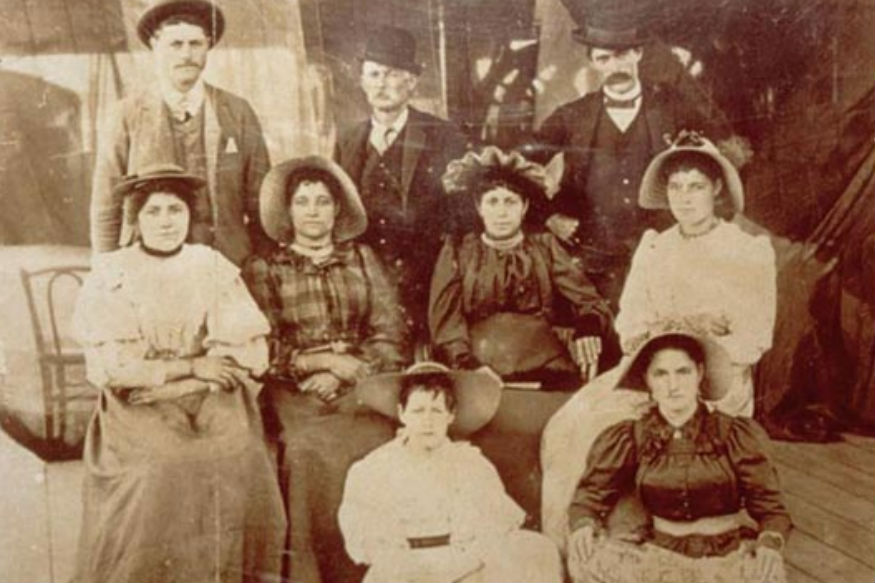
खुद को राजा मानते हुए पाओलो ने अपनी वसीयत में लिखा कि उनकी कब्र पर मुकुट लगाया जाए. इस राजा ने जीते-जी कभी क्राउन नहीं पहना था लेकिन मौत के बाद कब्र पर मुकुट लगाया गया. ऐसी ही अनोखी बातों की वजह से और खासकर सुनहरे दांतों वाली बकरियों की वजह से द्वीप जाना जाने लगा. यहां तक कि कई देशों ने टवोलारा के राजाओं के साथ शांति समझौते भी किए. हालांकि ये प्रतीकात्मक समझौते ही थे क्योंकि कुछ लोगों के द्वीप से किसी राजा को कोई खतरा नहीं था.
Related Topics
Trending News & Articles
Nanda Vrata is dedicated to Shiva and it is believed that Goddess Sati observed this vrat to get Shiva as her husband. It is observed during Phalgun Shukla Paksha...
Recently posted . 18K views . 3 min read
This question has seeked me ever since I can remember ...from my childhood..in my dreams...in my realisation and my internal assimilation of Lord Krishna as my god....
Recently posted . 9K views . 1 min read
Story of Sharabha and Narasimha
In Hinduism, the ‘trimurti’ (Gods) - Brahma, Vishnu, Mahesh, are...
Recently posted . 7K views . 1 min read
Have any of you realised how beneficial and helpful the lemon is when kept in a transparent glass of water, what it does? Here is the lemon ...
Recently posted . 6K views . 1 min read
More in Global
Pind Dan is a ritual which is conducted after the Cremation of an individual. Hindus believe that Pind Dan is a must after the death of their loved ones. It is cons...
Recently posted. 1K views . 2 min read
Vishnu. The God in charge of maintenance and preservation of the physical universe. It is said that the dream or Maya of the entire corporeal universe is maintained...
Recently posted. 2K views . 3 min read
Mangalsutra is seen as an essential part of Indian weddings. Read on to know why married women are supposed to wear it after marriage.
Recently posted. 2K views . 0 min read
Recently posted . 1K views
Recently posted . 1K views
Recently posted . 3K views
Recently posted . 4K views
A young boy of a middle class family, all of 5yrs, is sitting on a chair in the drawing room of his parents’ modest apartment. He’s wearing a crisp and ...
Recently posted. 1K views . 3 min read
Holi, the festival of Colours is celebrated in different corners of India with pomp and gaiety on full moon day in the month of Phalgun which is the month of Marc...
Recently posted. 1K views . 3 min read